
Common Plumbing Problems and How to Prevent Them
- wix project
- Apr 22
- 4 min read

Introduction
Plumbing is one of the most essential systems in any home or business, yet it’s often overlooked until something goes wrong. From dripping faucets to burst pipes, plumbing issues can disrupt your daily routine and, if ignored, lead to costly repairs and serious property damage.
Many common plumbing problems start small but gradually worsen over time. The good news is that most of these issues are preventable with proper care, regular maintenance, and early detection. Understanding the causes of these problems and knowing how to handle them can save you time, money, and unnecessary stress.
In this guide, we’ll explore the most common plumbing problems and provide practical tips to prevent them before they become major headaches.
1. Leaky Faucets and Pipes
A dripping faucet might seem like a minor inconvenience, but it can waste a significant amount of water over time. Similarly, small pipe leaks can lead to water damage, mold growth, and increased utility bills.
Leaks are often caused by worn-out washers, loose fittings, or corrosion in pipes. Over time, these small issues can escalate into bigger problems if not addressed promptly.
Common Causes:
Worn-out washers or seals
Loose connections
Pipe corrosion
High water pressure
Prevention Tips:
Fix leaks as soon as you notice them
Regularly check under sinks and around fixtures
Replace worn-out components promptly
Monitor water pressure levels
2. Clogged Drains
Clogged drains are one of the most frequent plumbing issues in households. They are usually caused by the buildup of hair, grease, soap residue, and food particles.
Ignoring a slow drain can eventually lead to a complete blockage, causing water backup and unpleasant odors.
Common Causes:
Hair accumulation in bathroom drains
Grease and oil buildup in kitchen sinks
Soap scum and debris
Foreign objects stuck in pipes
Prevention Tips:
Use drain strainers to catch debris
Avoid pouring grease down the sink
Clean drains regularly with safe solutions
Flush drains with hot water periodically
3. Low Water Pressure
Low water pressure can make everyday tasks like showering or washing dishes frustrating. It is often a sign of underlying plumbing issues that need attention.
This problem can be caused by sediment buildup, leaks, or issues with the water supply system.
Possible Causes:
Mineral buildup in pipes
Hidden leaks
Faulty fixtures
Problems with the main water line
Prevention Tips:
Clean faucet aerators regularly
Inspect pipes for leaks
Install a water softener if needed
Schedule routine plumbing inspections
4. Running Toilets
A running toilet can waste a large amount of water and significantly increase your water bill. This issue is usually caused by faulty internal components such as the flapper valve or float.
While it may seem like a small issue, ignoring it can lead to unnecessary water waste and higher expenses.
Common Causes:
Worn-out flapper valve
Improper float level
Faulty fill valve
Chain issues inside the tank
Prevention Tips:
Inspect toilet components regularly
Replace worn parts promptly
Adjust the float to the correct level
Avoid flushing non-flushable items
5. Pipe Corrosion and Damage
Over time, pipes can corrode due to age, water quality, and environmental factors. Corroded pipes are more likely to leak or burst, leading to serious water damage.
Older homes are particularly vulnerable to this issue, especially if they still have outdated plumbing materials.
Signs of Corrosion:
Discolored water
Frequent leaks
Visible rust on pipes
Metallic taste in water
Prevention Tips:
Replace old pipes with modern materials
Schedule regular inspections
Monitor water quality
Address minor leaks immediately
6. Water Heater Issues
Water heater problems can disrupt your daily routine by limiting access to hot water. Common issues include inconsistent temperature, strange noises, and reduced efficiency.
These problems are often caused by sediment buildup, faulty thermostats, or aging components.
Common Problems:
No hot water
Water takes too long to heat
Strange noises from the tank
Leaks around the unit
Prevention Tips:
Flush the tank regularly
Check the thermostat settings
Schedule annual maintenance
Replace old units when necessary
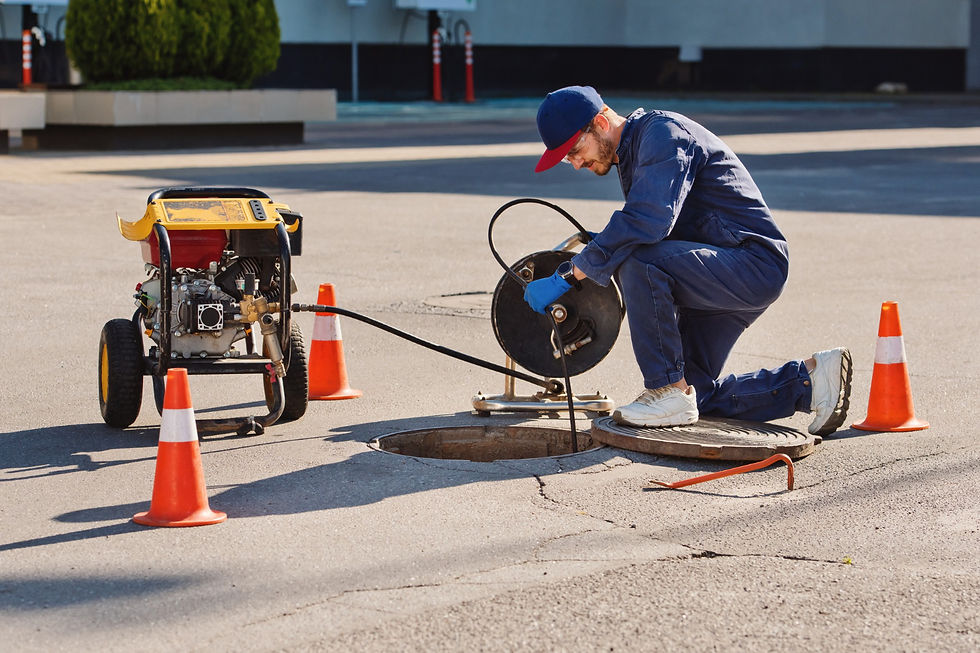
7. Sewer Line Blockages
Sewer line problems are among the most serious plumbing issues. Blockages can cause sewage backup, foul odors, and potential health hazards.
Tree roots, grease buildup, and foreign objects are common causes of sewer line blockages.
Warning Signs:
Multiple drains backing up
Slow drainage throughout the house
Unpleasant odors
Gurgling sounds in pipes
Prevention Tips:
Avoid flushing inappropriate items
Dispose of grease properly
Schedule regular sewer inspections
Install root barriers if necessary
Why Preventive Maintenance Matters
Preventive maintenance is key to avoiding costly plumbing repairs. By addressing small issues early, you can:
Save money on major repairs
Extend the lifespan of your plumbing system
Improve water efficiency
Maintain a safe and healthy environment
Regular inspections and maintenance ensure that your plumbing system remains in optimal condition.
Simple Plumbing Maintenance Checklist
Here are some easy steps you can follow to keep your plumbing system in good shape:
Check for leaks regularly
Clean drains and remove debris
Monitor water pressure
Inspect visible pipes for damage
Schedule professional maintenance annually
When to Call a Professional
While some minor plumbing issues can be handled on your own, certain problems require professional expertise. You should call a plumber if:
There is a major leak or burst pipe
Drains are completely blocked
Water pressure drops suddenly
You notice signs of sewer line issues
Repairs require specialized tools
Professional plumbers have the experience and equipment needed to diagnose and fix problems safely and effectively.
Conclusion
Plumbing problems are common, but they don’t have to disrupt your life. By understanding the causes and taking preventive measures, you can avoid most issues and keep your system running smoothly.
From fixing leaks early to maintaining your water heater and preventing clogs, small actions can make a big difference. Regular maintenance and timely repairs not only save money but also ensure comfort and peace of mind.
If you ever face a plumbing issue that seems beyond your control, don’t hesitate to contact a professional. Taking action early is the best way to protect your home and avoid costly damage.
Comments